Europe’s fastest-growing fintechs are queueing up for growth-stage funding rounds
Fintechs are set to dominate Europe's next wave of growth-stage fundraising. Of the 22 startups on the Sifted 250 Leaderboard planning a Series B or C by the end of Q3 2027, 12 (54.5%) are fintechs, with eight of them based in the UK. Pro ### Sifte
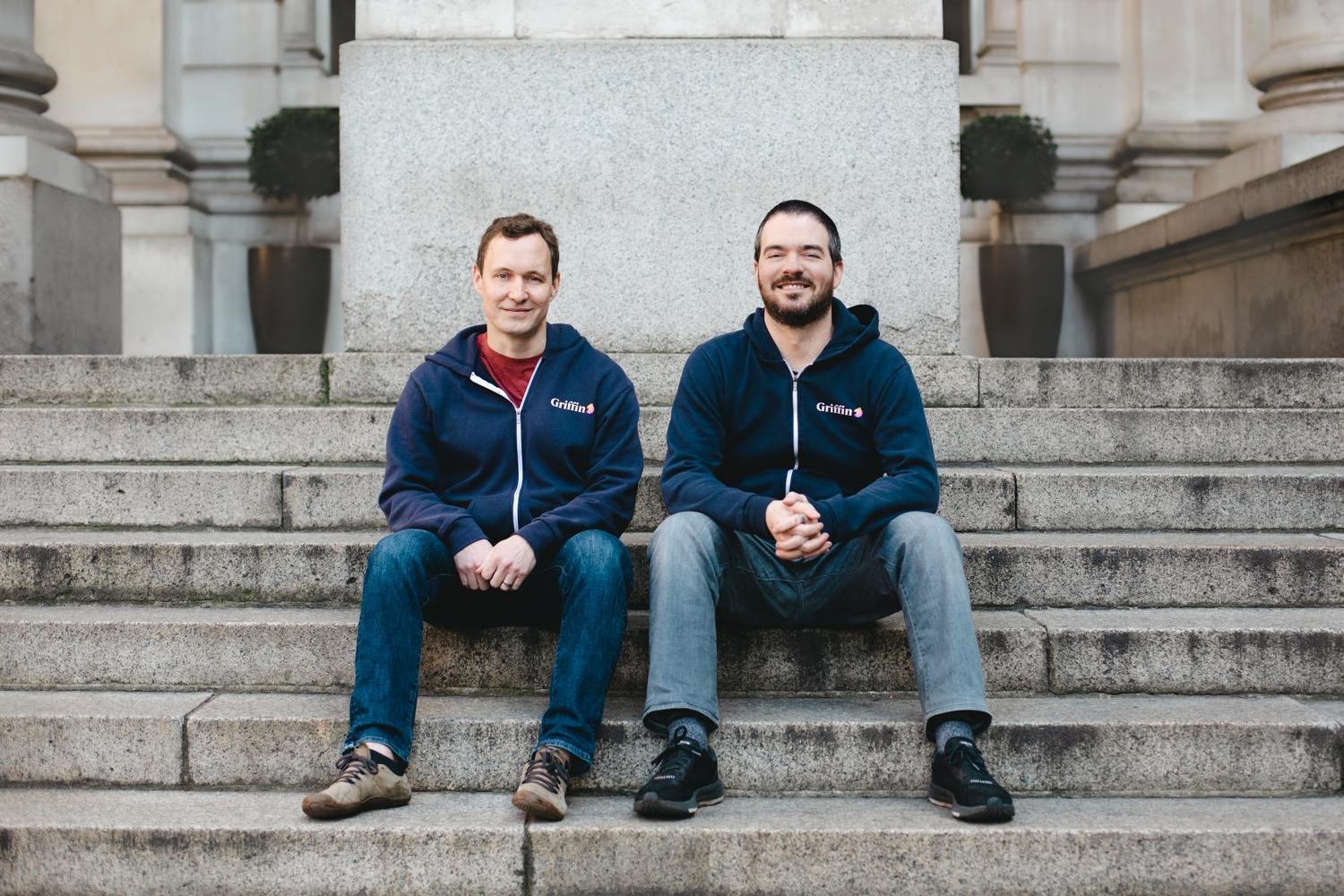
Europe's Fastest‑Growing Fintechs Queue Up for Growth‑Stage Funding Rounds
The Core Development
The European venture‑capital landscape is entering a new phase, and fintech is at its centre. According to Sifted's latest "250 Leaderboard" — a curated list of the continent's most promising scale‑ups — 12 of the 22 companies slated to launch a Series B or C by the close of Q3 2027 are fintechs. That represents 54.5 % of the pipeline, and eight of those firms are headquartered in the United Kingdom, underscoring the region's continued dominance in digital finance innovation.
The surge is not accidental. Over the past 18 months, European fintechs have collectively raised €9.3 billion in early‑stage capital, a 38 % increase on the previous year. The influx of talent from traditional banks, the maturation of open‑banking standards, and the EU's push for a single digital market have created a fertile environment for companies that can combine regulatory expertise with cutting‑edge technology.
Key players include:
| Company | Country | Core Offering | Planned Round | Target Size |
|---------|---------|---------------|---------------|-------------|
| Curve | UK | Unified card & API platform | Series C | €120 m |
| Klarna (EU hub) | Sweden | BNPL & merchant financing | Series B | €80 m |
| Mambu | Germany | SaaS banking core | Series C | €150 m |
| Penta | Germany | SME banking suite | Series B | €70 m |
| Tide | UK | Business‑account API | Series C | €90 m |
| Solarisbank | Germany | Banking‑as‑a‑service | Series B | €65 m |
| Monzo (EU expansion) | UK | Digital‑first retail banking | Series C | €110 m |
| N26 (post‑brexit) | Germany | Mobile banking for millennials | Series B | €95 m |
These firms are not merely chasing headline‑grabbing valuations; they are building the infrastructure that will power the next generation of European commerce, from embedded finance in e‑commerce platforms to real‑time cross‑border payments for SMEs.
Supply Chain Realities & Strategic Shifts
Fintech growth is being shaped by broader supply‑chain dynamics. The pandemic‑induced bottlenecks in hardware and data‑centre capacity have forced many scale‑ups to adopt a "cloud‑first" architecture, leveraging the EU's expanding network of sovereign and private edge locations.
"The biggest operational risk today is latency," says Elena García, CTO of Mambu. "Our clients demand sub‑second transaction processing across borders, and the only way to guarantee that is to distribute workloads across multiple EU data hubs rather than relying on a single provider."
Consequently, several fintechs are diversifying their tech stacks, moving from monolithic legacy systems to micro‑service ecosystems that can be spun up or down in response to market demand. This flexibility also reduces capital expenditure, freeing cash for customer acquisition and product development.
Regulatory supply‑chain considerations are equally pivotal. The EU's Revised Payment Services Directive (PSD2) has matured, and the European Banking Authority (EBA) is rolling out a sandbox for "AI‑driven risk models." Fintechs that can demonstrate compliance while harnessing AI for credit underwriting or fraud detection are attracting premium valuations.
Investor Perspectives
Venture capital firms are recalibrating their theses to reflect fintech's outsized potential. Atomico, Balderton Capital, and Index Ventures have collectively earmarked €2.5 billion for European fintechs through 2027, a figure that dwarfs the €1.1 billion allocated to health‑tech in the same period.
"Fintech is the only vertical where we see a clear path from Series A to IPO within a five‑year horizon," notes Michele Ferri, partner at Balderton. "The market is still fragmented, especially in niche segments like embedded insurance or crypto‑compliant custodial services. That fragmentation creates a natural M&A runway, which is attractive to both growth‑stage investors and later‑stage strategic acquirers."
Corporate venture arms are also stepping in. BNP Paribas' corporate VC unit announced a €300 million "Fintech Futures" fund aimed at co‑building solutions with scale‑ups that can be integrated into its wholesale banking platform. Similarly, Deutsche Bank's "DB Ventures" is targeting AI‑enhanced compliance tools, a sub‑sector that has seen a 62 % YoY increase in funding requests.
However, investors are exercising caution on valuation multiples. The average pre‑money valuation for a European fintech Series B in 2024 sits at €250 million, a 15 % dip from the 2022 peak. This correction is viewed as a healthy market reset that aligns pricing with realistic revenue trajectories.
Long‑Term Outlook
Looking ahead, the convergence of three macro trends will cement fintech's leadership in Europe's growth‑stage fundraising:
Regulatory Harmonisation — The EU's Digital Finance Package, expected to be fully enacted by 2025, will standardise licensing across member states, lowering entry barriers for pan‑European rollouts.
Embedded Finance Proliferation — Non‑financial brands are increasingly integrating banking services directly into their customer journeys. By 2028, embedded finance is projected to account for 30 % of total B2B payments volume in Europe, according to a McKinsey forecast.
Sustainable Finance Integration — ESG‑linked lending products are gaining traction, and fintechs that can embed carbon‑tracking APIs into credit lines are attracting both impact‑focused capital and corporate clients seeking to meet EU taxonomy requirements.
In sum, the data points to a robust pipeline of fintechs that are not only ready to raise substantial growth‑stage capital but also positioned to reshape the European financial ecosystem. For investors, the message is clear: the next wave of unicorns will likely emerge from the very firms lining up for Series B and C rounds today.
Prepared by an independent European tech journalist and venture‑capital analyst.