Beyond Decibels: UK Drone Noise Report Could Offer a Model for Future Regulation
UK Civil Aviation Authority recommends a phased approach to managing drone and eVTOL noise as commercial operations expand. The UK Civil Aviation Authority (CAA) has published a report examining how noise from drones and electric vertical take-off a...
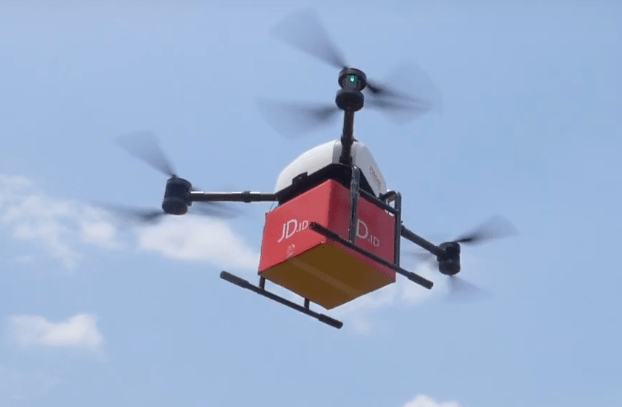
UK Civil Aviation Authority recommends a phased approach to managing drone and eVTOL noise as commercial operations expand.
The UK Civil Aviation Authority (CAA) has published a report examining how noise from drones and electric vertical take-off and landing (eVTOL) aircraft should be assessed and managed as commercial operations expand.
CAP3304: Managing Noise from Emerging Aviation Technology identifies gaps in existing aviation noise standards and recommends an approach to developing national drone noise policy.
Although some drones and eVTOL aircraft may be quieter than conventional helicopters, lower-altitude flights and frequent operations near residential areas could introduce new noise impacts.
Among the report's key findings are five issues that could shape future drone noise policy.
- Quieter Aircraft May Still Cause Noise Disturbance
Conventional noise measurements may not fully reflect how communities experience drone operations.
Flight frequency, hovering, time of day and sound characteristics can influence annoyance. Some aircraft may cause greater annoyance than other noise sources at comparable sound levels.
Community response may also depend on the purpose and predictability of operations.
- Existing Aviation Noise Rules Have Gaps
Current aviation noise standards and assessment methods were largely developed for conventional aircraft operating along established flight paths.
The report identifies gaps in internationally accepted noise standards and assessment methods for drones and eVTOL aircraft.
Existing UK regulatory processes provide a foundation, but do not yet offer a complete or consistent framework for managing noise from these operations.
- The CAA Recommends a Phased Approach Rather Than Immediate Noise Limits
The CAA recommends an initial national drone noise policy that can evolve as operational evidence improves.
Rather than establishing definitive numerical limits without sufficient evidence, the report recommends proportionate assessments, common data requirements and interim measurement methods.
Trials and early deployments could help regulators gather the noise measurements, flight data and community feedback needed to guide future requirements.
- Noise Management Could Influence Drone Operations
Potential measures include quieter aircraft design, careful site selection, flight routes and operating procedures.
Where these measures prove insufficient, restrictions on operating hours, flight numbers or activity in sensitive locations may be appropriate.
The report recognizes that noise management must also account for safety and operational constraints. Drone delivery presents particular challenges because services are designed to reach residential areas.
- Community Engagement Should Be Part of Noise Management
The CAA recommends early and continuing engagement with affected communities.
Residents should know where and when aircraft operate, who is responsible and how to raise concerns.
The report also recommends consistent complaints reporting, considered alongside measured noise exposure and other evidence.
Ed Weston, Head of Environmental Research and Consultancy at the UK Civil Aviation Authority, said:
"A clear and proportionate approach to noise can protect communities, give operators greater certainty and support the responsible scaling of these new technologies and services that can deliver genuine public and economic benefits."
A Potential Framework for Other Countries
Developed to support the UK Department for Transport's work on national drone noise policy, the report does not introduce new noise limits or operating restrictions.
Its recommendations build on established international aviation noise-management principles, including the International Civil Aviation Organization's Balanced Approach.
The CAA proposes adapting these principles to drones and eVTOL aircraft while collecting evidence to guide future decisions.
This phased, evidence-based approach could inform policy discussions in other countries preparing for expanded commercial drone operations, although its application would depend on national regulatory frameworks.
As drone operations scale, the report offers a potential model for developing noise policies that protect communities while allowing new services to expand.
Read more:
Wing and Walmart Name Denver and Seattle for 2027 Drone Delivery Expansion
Michigan Medical Drone Delivery Pilot Expands to Multiple Aircraft and Sites
DoorDash Unveils Purpose-Built Drone and End-to-End Delivery System
Miriam McNabb is the Editor-in-Chief of DRONELIFE and CEO of JobForDrones, a professional drone services marketplace, and a fascinated observer of the emerging drone industry and the regulatory environment for drones. Miriam has penned over 3,000 articles focused on the commercial drone space and is an international speaker and recognized figure in the industry. Miriam has a degree from the University of Chicago and over 20 years of experience in high tech sales and marketing for new technologies.
For drone industry consulting or writing, Email Miriam.
TWITTER:@spaldingbarker
Subscribe to DroneLife here.